
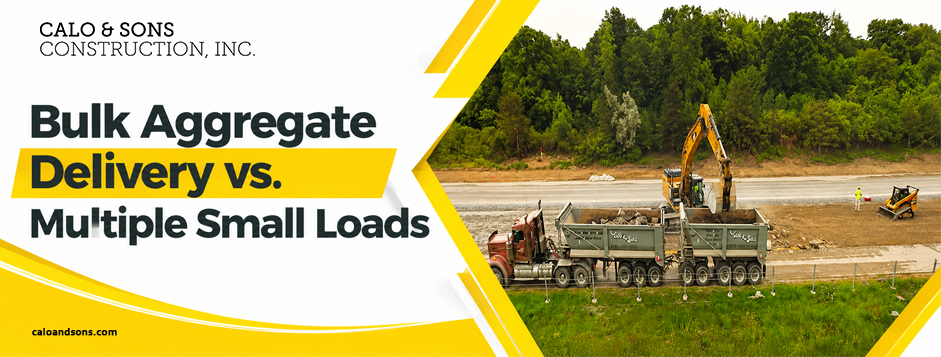
Bulk Aggregate Delivery vs. Multiple Small Loads: Which Saves More in Michigan?
For a construction contractor, getting aggregate delivered is rarely as simple as ordering a pile of gravel and waiting for a truck to arrive. The amount you order, how often it arrives, the distance it travels and how quickly your crew can use it all affect the real cost of the project.
That raises an important question for Michigan contractors:
Is it cheaper to bring in one large quantity of aggregate or schedule several smaller loads as the project progresses?
There is no single answer for every job. A large commercial development may benefit from carefully scheduled bulk deliveries, while a smaller residential project may make more sense with fewer loads spread over time.
The right choice comes down to logistics, material requirements, jobsite conditions and the cost of keeping trucks moving.
For contractors looking for Aggregate Hauling In Michigan, understanding these factors can help prevent unnecessary transportation expenses and keep projects on schedule.
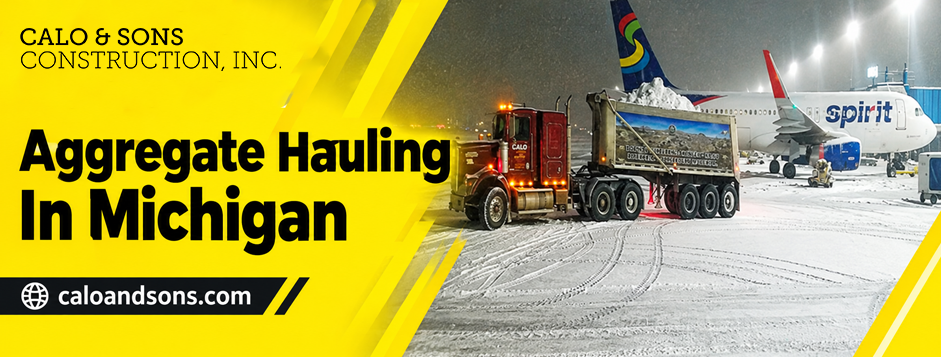
What Is Bulk Aggregate Delivery?
Bulk aggregate delivery involves transporting a substantial quantity of material to a construction site, often using high-capacity trucks or multiple trucks scheduled within a specific delivery window.
Depending on the project, the material could include:
- Gravel
- Sand
- Crushed stone
- Dirt
- Topsoil
- Rock
- Boulders
- Other construction aggregates
Bulk delivery is particularly useful when a project requires a significant amount of material within a relatively short period.
Road construction, commercial development, excavation, site preparation and large landscaping projects are common examples.
The main advantage is efficiency. Instead of arranging a truck for a small quantity several times, contractors can coordinate larger deliveries around their construction schedule.
But bigger is not automatically better.
If your site does not have room to store the material or your crew is not ready to use it, bringing everything at once could create a different set of problems.
What Are Multiple Small Aggregate Loads?
Multiple small loads involve scheduling deliveries according to the progress of a project.
For example, rather than bringing 500 tons of material to a site at once, a contractor might arrange several deliveries over several days or weeks.
This approach can be useful when:
- Storage space is limited
- The project has several construction phases
- Material requirements change as work progresses
- The site has restricted access
- Crews need smaller quantities at different stages
- Weather makes long-term material storage difficult
It can provide greater flexibility, but there is a trade-off.
Every additional delivery requires transportation, scheduling and coordination. That can increase the overall hauling cost if the loads are not planned carefully.
Which Option Costs Less?
For many large projects, bulk delivery can offer better transportation efficiency.
However, the lowest price per load does not necessarily mean the lowest total project cost.
Consider what happens when a contractor orders several small loads.
Each trip may involve:
- Truck mobilisation
- Travel to the material source
- Loading
- Transportation to the jobsite
- Unloading
- Return travel
- Scheduling and dispatch coordination
Repeat that process several times and transportation costs can add up quickly.
With a properly planned bulk delivery, more material can be moved with fewer delivery cycles.
That does not mean every contractor should order the largest possible load. The goal is to find the delivery schedule that matches your project’s actual requirements.
1. Calculate the Total Quantity Before Ordering
The first step is understanding exactly how much aggregate your project needs.
Ordering too little can be expensive because you may need additional deliveries later.
Ordering too much can create storage issues and tie up money in material that you are not ready to use.
For large construction projects, contractors should estimate the required volume as accurately as possible before arranging transportation.
Think about the entire project rather than just the immediate requirement.
If you know that a site will need a large amount of gravel over the next two weeks, it may make sense to organise a coordinated delivery schedule rather than repeatedly calling for small loads.
A professional Aggregate Hauling Service can also help contractors think through delivery timing based on the scale of the job.
2. Consider the Cost of Truck Trips
Truck capacity is one of the biggest factors when comparing bulk and smaller deliveries.
Suppose your project needs a substantial amount of material. If you divide that requirement into many small loads, you could end up paying for considerably more trips.
More trips mean more time on the road and more coordination.
For contractors working with tight margins, that matters.
Transportation is not simply a line item on a quote. It can affect labour productivity, equipment utilisation and the overall construction schedule.
That is why experienced contractors look at the total delivered cost, not simply the cost of the aggregate itself.
3. Think About Your Jobsite Storage
This is where smaller deliveries can sometimes make more sense.
A large quantity of aggregate requires adequate space.
If your site is already crowded with excavators, loaders, concrete equipment, materials, trailers and vehicles, adding a huge stockpile may interfere with daily operations.
Limited storage can also make it difficult for trucks to access the correct unloading location.
In these situations, scheduled smaller deliveries can keep the site more manageable.
The cheapest delivery strategy on paper is not useful if it makes the jobsite harder to operate.
4. Look at Your Construction Schedule
Your construction programme should influence your hauling strategy.
If your crew needs aggregate continuously for several days, a coordinated bulk delivery schedule can keep material flowing without unnecessary interruptions.
On the other hand, if aggregate is only required during specific phases, smaller scheduled deliveries may be more practical.
For example, a development project may need different materials during excavation, grading, drainage and landscaping.
Trying to deliver everything at the beginning may create unnecessary storage challenges.
Good hauling is about timing the material with the work.
5. Michigan Weather Changes the Equation
Michigan weather can make construction logistics more complicated.
Rain can turn a site into a muddy mess. Snow and freezing temperatures can affect access. Spring thaw can create conditions that make moving heavy trucks around a jobsite more difficult.
This means contractors should consider more than material quantity when planning deliveries.
A large stockpile may be useful if weather is expected to disrupt future deliveries. But if the material becomes difficult to access or interferes with site operations, excessive storage can work against you.
A flexible hauling plan can help contractors respond to changing site conditions.
Bulk Delivery Can Reduce Jobsite Downtime
One of the biggest hidden costs in construction is waiting.
If your crew is ready to continue grading but there is no material available, equipment and workers may sit idle.
That can quickly become more expensive than the hauling charge itself.
Suppose a crew has several machines and employees scheduled for a particular phase. A delayed aggregate delivery could push the entire operation behind schedule.
For this reason, reliable Aggregate Hauling In Michigan is not just about moving material from point A to point B.
It is about keeping the project moving.
When bulk delivery is carefully scheduled around the construction programme, contractors can reduce the risk of running out of material at a critical stage.
When Multiple Smaller Loads Make More Sense
Bulk delivery is not always the winner.
Smaller loads may be the better choice when the site has limited storage or when material requirements are difficult to predict.
They can also make sense for projects where work is completed in distinct phases.
Consider a smaller commercial landscaping project. The contractor may need one material initially, another after grading and a different material near completion.
Ordering everything in bulk would tie up space and capital.
In this situation, a staged delivery strategy can provide better control.
The objective should always be efficiency rather than simply ordering the largest possible quantity.
The Hidden Cost of Too Many Small Deliveries
Small deliveries have another potential disadvantage: they create more opportunities for scheduling problems.
If five deliveries are required instead of two, there are five separate delivery windows to coordinate.
A truck can be delayed by traffic. A jobsite can become inaccessible because of weather. A crew may not be ready when the truck arrives.
One delayed delivery can sometimes affect the next several stages of work.
This is why choosing experienced Construction Hauling Companies matters.
A reliable hauling partner understands that delivery timing is part of the construction process, not an isolated transportation task.
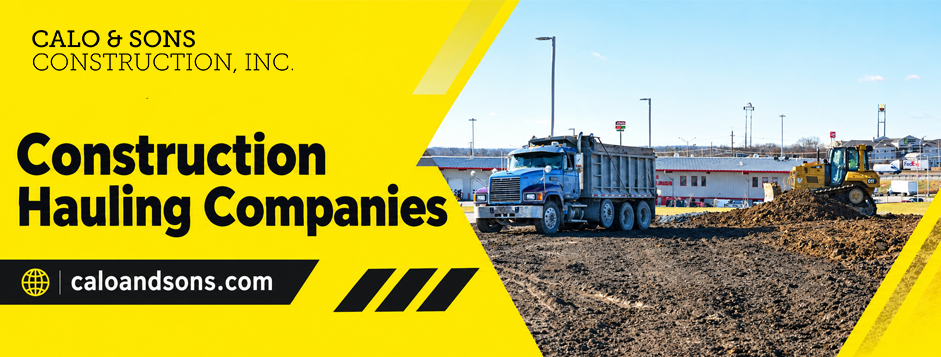
Why Local Knowledge Matters in Michigan
Construction hauling in Michigan requires an understanding of local conditions.
Traffic patterns, seasonal weather, construction activity and jobsite access can all affect delivery planning.
Working with a hauling provider familiar with Southeast Michigan and surrounding areas can make communication easier and help contractors plan realistic delivery schedules.
At Calo and Sons, the focus is on providing hauling solutions that fit the needs of construction and development projects.
Whether you need a substantial quantity delivered efficiently or require a more flexible schedule, the right hauling approach starts with understanding the project.
How to Choose the Right Delivery Strategy
Before deciding between bulk and multiple smaller loads, ask these questions:
How much material will the project require?
Get as accurate an estimate as possible.
How much storage space is available?
A large delivery requires a suitable place to stockpile material.
How quickly will the material be used?
There is little benefit in receiving months’ worth of aggregate if the project will not use it for weeks.
How important is delivery speed?
If crews are working continuously, coordinated bulk deliveries may reduce interruptions.
How accessible is the site?
Restricted entrances, narrow roads and limited unloading areas may influence truck selection and delivery frequency.
What happens if weather changes the schedule?
Build flexibility into the hauling plan.
How many truck trips will the project require?
Compare the total transportation requirements rather than looking only at the price of individual loads.
So, Which Saves More?
For large Michigan construction projects with sufficient storage and predictable material requirements, bulk aggregate delivery will often provide better hauling efficiency.
Fewer delivery cycles can mean fewer truck trips, less scheduling work and a smoother flow of material to the jobsite.
However, smaller loads can be the smarter financial choice when storage is restricted, construction phases are spread out or material needs are uncertain.
The best solution is not necessarily the biggest delivery.
It is the delivery plan that gives your crew the material they need, when they need it, without creating unnecessary transportation or storage costs.
Choose a Hauling Partner That Understands the Bigger Picture
Aggregate transportation has a direct impact on construction productivity. A missed delivery or poorly planned load can affect workers, equipment and deadlines throughout a project.
That is why contractors should look beyond basic price comparisons when choosing an Aggregate Hauling Service.
Consider reliability, truck capacity, scheduling flexibility, service area and the provider’s experience with construction projects.
At Calo and Sons, aggregate hauling is built around the practical needs of contractors and construction projects. From gravel and sand to dirt, rock, boulders and topsoil, having the right hauling partner can make material management far easier.
If you are planning a construction project in Michigan, do not wait until your crew needs material to start thinking about transportation.
Plan the quantities. Review your storage capacity. Map out the construction phases. Then work with an experienced hauling provider to determine whether bulk delivery, staged deliveries or a combination of both makes the most sense.
The right hauling strategy can save more than money. It can save time, reduce disruption and help keep your Michigan construction project moving.
FAQs
1. Is bulk aggregate delivery cheaper than multiple small loads?
Bulk delivery can be more cost-effective for large projects because it may reduce the number of truck trips and associated transportation costs. However, the best option depends on quantity, storage space, delivery distance and the construction schedule.
2. What materials can be transported through aggregate hauling?
Aggregate hauling commonly includes materials such as gravel, sand, crushed stone, dirt, topsoil, rocks and boulders. The appropriate material depends on the requirements of the construction or landscaping project.
3. When should I choose multiple smaller aggregate deliveries?
Smaller deliveries may be preferable when a project has limited storage, several construction phases or changing material requirements. They can help keep the jobsite organised and reduce excess material storage.
4. How can aggregate hauling affect construction costs?
Hauling costs involve more than the price of the material. The number of truck trips, delivery distance, scheduling, truck capacity and potential jobsite delays can all influence the overall project cost.
5. How do I choose an aggregate hauling company in Michigan?
Look for a hauling company with suitable truck capacity, reliable scheduling, construction experience and knowledge of local Michigan conditions. Discuss your material quantities, jobsite access and project timeline before arranging deliveries.


