

Why Reliable Snow Removal And Heavy Trucking Go Hand-in-Hand?
Imagine a construction site preparing for an important delivery. The trucks are ready, the materials are loaded, and the schedule is tight. However, a snow-covered entrance prevents the vehicles from reaching the site safely. Even the most dependable transportation service cannot overcome every winter obstacle without proper ground preparation.
This is where snow removal and a heavy haul trucking company in Michigan work together. While snow removal keeps access routes clear, heavy trucking transports essential materials and equipment. When these services operate in coordination, businesses can reduce avoidable delays, improve safety, and maintain productivity throughout the winter season.
How Snow Removal Supports Heavy Trucking Operations?
Heavy trucks require suitable road conditions, sufficient clearance, and safe loading and unloading areas. Snow accumulation can interfere with each of these requirements, making routine transportation more complicated.
For a heavy haul trucking company in Michigan, winter preparation is particularly important when transporting oversized equipment, construction materials, or other substantial loads. Snow and ice can make maneuvering difficult, especially around narrow entrances, industrial yards, and construction sites.
Reliable snow removal helps create safer operating conditions by keeping critical areas accessible. Depending on the property, this may include clearing driveways, parking areas, loading zones, access roads, and turning spaces.
Removing accumulated snow also improves visibility around entrances and work areas. Drivers can better identify obstacles, while site managers can organize vehicle movements more efficiently.
However, clearing snow is only one part of winter readiness. Businesses must also consider ice, drainage, changing temperatures, and local road conditions. A coordinated approach helps reduce disruptions before they affect transportation schedules.
Michigan Winters Demand Better Transportation Planning, Why So?
Michigan winters can change transportation conditions quickly. A route that appears manageable in the morning may become hazardous after additional snowfall or freezing rain.
For heavy trucking operations, these changes can affect travel times, route selection, loading schedules, and delivery commitments. Larger vehicles carrying substantial loads require careful planning because stopping, turning, and maneuvering may become more challenging on slippery surfaces. Here, our affordable heavy haul trucking company in Michigan can help.
Businesses should therefore treat winter preparation as an ongoing responsibility rather than a one-time task. Monitoring weather forecasts, checking site conditions, and coordinating snow removal can help teams respond more effectively when conditions deteriorate.
A practical winter transportation plan should include:
- Early Snow Clearance: Prepare entrances, loading areas, and access routes before scheduled deliveries.
- Weather Monitoring: Review forecasts and adjust plans when heavy snowfall or freezing conditions are expected.
- Route Assessment: Identify access restrictions, steep approaches, and areas where snow accumulation could affect vehicle movement.
- Clear Communication: Keep drivers, dispatchers, site managers, and snow removal teams informed about changing conditions.
- Flexible Scheduling: Allow additional time for travel, site preparation, and safe loading or unloading.
These measures help businesses make informed decisions while reducing unnecessary pressure on drivers and operations teams.
The Connection Between Snow Removal and Construction Material Delivery
Construction projects depend on the steady movement of materials. Aggregates, stone, sand, gravel, and other supplies must reach their destinations according to project requirements.
When winter weather blocks site access, material deliveries can be delayed. Crews may have to wait, equipment can remain idle, and project schedules may become harder to maintain.
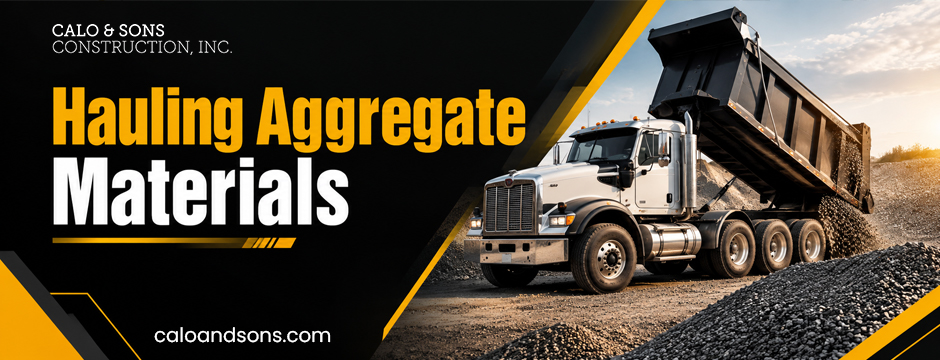
This makes hauling aggregate materials an important consideration in winter construction planning. Even when the materials are available and transportation has been arranged, snow-covered entrances or inaccessible unloading areas can prevent deliveries from proceeding as planned.
Why Businesses Need Dependable Local Trucking Companies?
Winter logistics often require coordination between several parties, including suppliers, contractors, property managers, and transportation providers. Reliable communication becomes especially valuable when weather conditions change unexpectedly.
Working with local trucking companies can help businesses coordinate transportation requirements with regional operating conditions. Familiarity with local routes, commercial properties, and delivery locations can support more practical planning, although actual service capabilities and availability should always be confirmed.
Businesses should look beyond transportation rates when evaluating a trucking provider. Winter reliability depends on factors such as communication, scheduling practices, suitable equipment, driver preparedness, and the ability to respond to changing conditions.

Before arranging a winter delivery, consider whether the provider can:
- Confirm delivery requirements and estimated arrival windows.
- Communicate promptly about weather-related delays.
- Coordinate access and unloading arrangements with site personnel.
- Explain any restrictions involving vehicle size, load dimensions, or route conditions.
- Provide appropriate documentation and follow applicable transportation requirements.
These considerations help businesses establish realistic expectations and avoid preventable misunderstandings.
At the same time, trucking providers benefit when customers prepare their sites properly. Clear access routes, designated unloading areas, and timely updates about snow conditions make it easier to coordinate deliveries safely. So, if you need to hire a local trucking company for snow removal or any heavy trucking, hire Calo & Sons.
What Michigan Heavy Haulers Need from Winter Site Preparation?
Transporting heavy or oversized loads involves more than moving cargo from one location to another. The vehicle must reach the destination, navigate the available space, and access a suitable area for unloading.
For Michigan Heavy Haulers, winter site conditions can influence how these activities are planned. Snow-covered shoulders, narrowed entrances, icy turning areas, and accumulated snow near loading zones may create additional challenges.
Businesses arranging heavy transportation should prepare destinations before dispatch whenever possible. This includes checking the entrance width, confirming the condition of internal roads, identifying overhead or roadside obstacles, and ensuring that unloading areas are clear.

Safety Should Always Come before Delivery Deadlines
Keeping deliveries on schedule matters, but winter transportation must never come at the expense of safety. Snow removal improves accessibility, yet it cannot eliminate every hazard associated with ice, poor visibility, or severe weather.
Drivers should follow applicable regulations, assess road conditions, and avoid continuing when travel becomes unsafe. Businesses should also resist pressuring transportation teams to meet unrealistic deadlines during hazardous conditions.
Property managers can contribute by ensuring that cleared routes remain unobstructed, using appropriate ice-control measures where needed, and communicating known hazards before vehicles arrive.
It is also important to recognize that snow can conceal uneven surfaces, curbs, drainage features, and other obstacles. Site inspections and appropriate precautions remain necessary even after plowing.
A dependable winter strategy balances efficiency with responsible decision-making. Delaying a delivery may sometimes be the safest and most practical choice, particularly during severe weather.
Building A More Resilient Winter Operations Plan
Reliable snow removal and heavy trucking are closely connected because both support the movement of people, vehicles, materials, and equipment. When one service experiences avoidable disruption, other parts of the operation may be affected.
Businesses can strengthen their winter plans by reviewing previous weather-related delays, identifying vulnerable access points, and setting clear communication procedures. They should also confirm service schedules and contingency arrangements before winter conditions intensify.
For projects involving regular material deliveries, coordinating snow clearance with expected arrival windows can improve preparation. For commercial properties, prioritizing entrances and high-traffic areas helps maintain access for essential vehicles.
Choosing suitable service providers is another important step. Businesses should evaluate their specific transportation and property maintenance requirements rather than assuming that every provider offers the same capabilities.
Ultimately, winter reliability comes from preparation, communication, and realistic expectations. Snow removal keeps important areas accessible, while heavy trucking helps move the materials and equipment businesses need.
When these services work together, Michigan businesses can manage winter disruptions more effectively and maintain safer, better-organized operations throughout the season.
Final Thoughts
Snow removal and a heavy haul trucking company in Michigan serve different purposes, but their success often depends on the same foundation: safe access and thoughtful coordination. Clear entrances, prepared loading zones, and timely communication can help reduce avoidable transportation delays during Michigan’s challenging winter months.
For businesses that depend on heavy deliveries, planning property maintenance alongside transportation schedules is a practical investment in operational continuity. With appropriate winter preparation and dependable service coordination, companies can protect their people, support their projects, and keep essential activities moving when snow arrives.
FAQs
1. Why are snow removal and heavy trucking closely connected?
Snow removal keeps entrances, access roads, and loading areas accessible, helping heavy trucks reach destinations more safely and reducing avoidable delivery disruptions.
2. How can snow removal help prevent trucking delays?
Clearing snow from essential routes and unloading areas helps reduce access problems, allowing businesses and transportation providers to coordinate deliveries more efficiently.
3. Why is winter planning important for a heavy haul trucking company in Michigan?
Winter planning helps account for changing road conditions, restricted site access, potential delays, and the additional precautions required when transporting heavy or oversized loads.
4. How does snow removal support hauling aggregate materials?
Cleared delivery routes and unloading zones help trucks reach construction sites and access designated material drop-off areas when winter weather creates obstacles.
5. What should businesses look for when choosing local trucking companies?
Businesses should evaluate communication, scheduling reliability, relevant equipment, driver preparedness, transportation requirements, and experience handling their specific delivery needs.
6. How can Calo & Sons help businesses prepare for winter?
As a reliable heavy haul trucking company in Michigan, Calo & Sons offers snow removal services that can help businesses maintain access to important property areas and prepare for winter operations. Customers should confirm service scope and scheduling requirements directly.


