

Gravel Train vs. Tandem Dump Truck: Which Hauling Option Fits Your Northville Construction Project?
Choosing the right truck for a construction project affects material delivery costs, site productivity, and project schedules. A truck that carries too little material may require repeated trips, while a larger hauling combination may struggle to access a tight jobsite or maneuver around active equipment. For contractors in Northville, Michigan, the decision between a gravel train and a tandem dump truck comes down to load volume, site conditions, haul distance, and the type of material being transported.
Both truck types serve important roles in construction material hauling Northville MI. Gravel trains are designed to move large quantities of bulk material, making them useful for major earthwork, road construction, and large commercial projects. Tandem dump trucks offer greater flexibility on jobsites where access, unloading space, and smaller delivery quantities matter.
Understanding their differences helps contractors choose a hauling arrangement that fits the project instead of paying for capacity they cannot use.
What Is a Gravel Train?
A gravel train is a heavy-duty hauling combination that typically consists of a dump truck pulling a pup trailer. Both the truck and trailer carry material, increasing the total hauling capacity compared with a single dump truck.
Gravel trains are commonly used to transport sand, gravel, crushed stone, dirt, topsoil, and other bulk construction materials. Their larger combined capacity makes them suitable for projects that require repeated deliveries of substantial material volumes.
When Should Contractors Use a Gravel Train?
A gravel train is often a practical choice when a project needs large quantities of material delivered over a planned route. Examples include:
- Road construction: Transporting crushed stone, gravel, and other approved base materials to roadwork sites.
- Commercial site preparation: Delivering fill dirt and aggregates for grading, earthwork, and building pad preparation.
- Large excavation projects: Moving substantial volumes of soil between excavation areas and approved receiving locations.
- Landfill construction: Hauling soil and aggregates for qualifying earthwork and construction operations.
- Large landscaping projects: Delivering bulk topsoil, sand, and stone where the receiving area can accommodate the truck combination.
The primary advantage is the ability to move more material per trip than a typical single-unit tandem dump truck, subject to legal payload limits and the truck’s actual configuration.
For a contractor preparing a large commercial site in Northville, fewer trips can reduce the number of vehicle movements needed to deliver a specified quantity of material. However, the savings depend on the route, loading conditions, unloading time, and whether the site can safely accommodate the full combination.
What Is a Tandem Dump Truck?
A tandem dump truck typically has two rear axles on the truck itself and no separate pup trailer. It is a common choice for construction hauling because it balances useful payload capacity with maneuverability.
Contractors use tandem dump trucks to deliver aggregates, remove excavated soil, transport construction debris, and support residential, commercial, and municipal projects.
When Is a Tandem Dump Truck the Better Choice?
A tandem dump truck may be better suited to jobs where access and maneuverability matter more than maximum load volume.
Typical applications include:
- Residential construction: Delivering gravel, fill dirt, or topsoil to properties with limited access.
- Smaller excavation jobs: Moving soil from foundation excavations, utility trenches, and grading work.
- Demolition cleanup: Hauling away broken concrete, asphalt, and other suitable debris.
- Driveway and parking lot work: Delivering stone or gravel to locations with restricted turning space.
- Landscaping and drainage projects: Transporting smaller quantities of aggregates and soil to specific areas of a property.
Because a tandem dump truck is a single vehicle, it can be easier to position on compact jobsites. It may also be a better fit when crews need several different materials delivered in smaller batches rather than one large shipment.
For contractors working in established Northville neighborhoods or around occupied commercial properties, access restrictions can make this flexibility especially useful. The actual choice still depends on driveway conditions, overhead clearance, turning space, and the truck’s dimensions.
Gravel Train vs. Tandem Dump Truck: Key Differences
Both hauling options can transport construction materials, but their operating characteristics differ.
| Comparison factor | Gravel train | Tandem dump truck |
| Load capacity | Generally higher combined capacity | Generally lower capacity per trip |
| Number of trips | Can reduce trips for large-volume deliveries | May require more trips for the same volume |
| Maneuverability | Requires more space and careful positioning | Usually easier to maneuver |
| Jobsite access | Best for sites with adequate access and unloading space | Often better for tighter jobsites |
| Best project fit | Large earthwork, roadwork, and bulk material movements | Smaller jobs, restricted sites, and targeted deliveries |
| Delivery planning | Works well with planned, high-volume material demand | Offers flexibility for varied or smaller loads |
| Cost considerations | Potential savings when higher capacity improves productivity | May cost less overall when site conditions limit larger trucks |
These are general comparisons. Actual payload, vehicle dimensions, operating costs, and legal restrictions vary by truck configuration and operating conditions.
1. Compare the Total Material Volume
The first step is to estimate how much material the project needs. A contractor ordering a few loads of gravel for a parking area has different hauling requirements from a developer preparing an entire commercial site.
Start with the project’s material quantity, measured in cubic yards or tons, depending on the supplier’s pricing and the material involved. Then determine the usable payload of each available truck configuration.
For example, a project requiring several hundred tons of aggregate may benefit from a gravel train if the route and jobsite support it. A smaller job requiring a limited amount of topsoil may be better served by a tandem dump truck.
Do not compare vehicles using advertised capacity alone. The actual payload depends on material density, moisture content, truck configuration, axle limits, and applicable weight restrictions.
It is also important to distinguish loose material volume from compacted volume. Fill dirt, for example, may occupy a different volume after placement and compaction. Estimating the required quantity correctly helps prevent shortages, excess deliveries, and unnecessary hauling costs.
2. Evaluate Jobsite Access and Unloading Space
A truck’s capacity is only useful if the vehicle can reach the delivery point and unload safely.
Gravel trains need sufficient room to enter, turn, position themselves, and exit. Their longer overall configuration can create problems on narrow access roads, tight construction entrances, or sites with limited turning areas.
Tandem dump trucks are generally easier to maneuver in these conditions. They may be better suited to residential driveways, smaller commercial properties, and sites where multiple trades share a confined work area.
Before scheduling a delivery, check:
- Entrance width and turning radius.
- Overhead wires, branches, and structures.
- Ground stability and soft or recently graded surfaces.
- Available space for backing, positioning, and unloading.
- The location of workers, equipment, and other vehicles.
- Any restrictions on access roads or delivery hours.
These checks help reduce delays and avoid sending a truck that cannot safely reach the unloading location.
3. Calculate Hauling Costs Beyond the Price Per Load
A lower quoted price per load does not always mean a lower total project cost. Contractors should compare the cost of delivering the full material requirement.
A useful calculation is:
Total hauling cost = Number of loads × Cost per load + applicable waiting, handling, and additional charges
If a gravel train can legally carry more material per trip, it may reduce the number of trips required. That can be valuable on projects with long haul distances or substantial daily material demand.
However, higher capacity does not automatically produce savings. A gravel train may take longer to position or unload on a restricted site. If the truck must wait for an excavator, loader, or crew to clear the unloading area, its additional capacity may not translate into better productivity.
A tandem dump truck may be more economical when it can complete deliveries with less waiting, easier access, or more efficient loading and unloading.
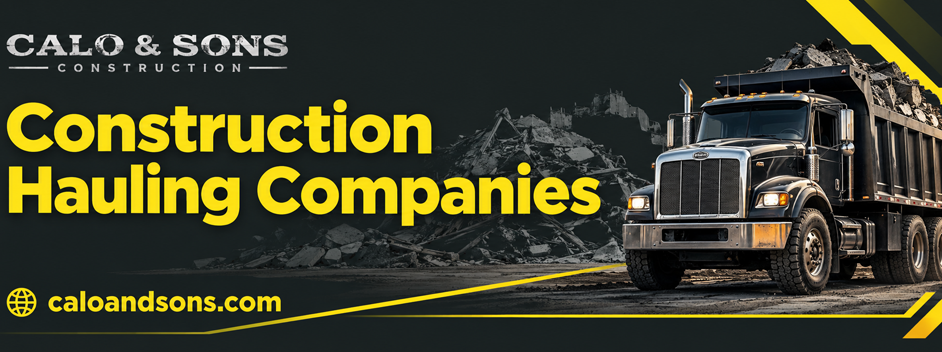
When comparing quotes from Construction Hauling Companies, ask whether pricing is based on the load, hourly service, distance, or another arrangement. Confirm what is included, how waiting time is handled, and whether minimum charges apply.
4. Match the Truck to the Material Being Hauled
The material itself can influence which truck configuration works best.
Sand, Gravel, and Crushed Stone
These materials are common on roadwork, grading, drainage, and site preparation projects. Gravel trains can be effective for high-volume aggregate deliveries, provided the receiving area has adequate access.
Tandem dump trucks are useful when the material must be delivered to several separate locations or when the site cannot accommodate a longer vehicle.
Fill Dirt and Topsoil
Large grading projects may require substantial volumes of fill dirt, making a gravel train a potential fit. Smaller landscaping jobs and properties with limited access may be better suited to tandem dump trucks.
Contractors should confirm that the material meets project specifications. Topsoil, structural fill, and general excavated soil are not interchangeable for every application.
Concrete and Asphalt Debris
Demolition and pavement removal generate heavy materials that must be transported according to applicable payload limits and receiving-site requirements.
A tandem dump truck may work well for smaller removal jobs. Larger projects may need a different hauling arrangement based on debris volume, loading equipment, and disposal or recycling logistics.
For demolition work, confirm what the receiving facility accepts before arranging transportation. Material type, contamination, and facility rules can affect where debris may be delivered.
5. Plan for Michigan Road and Weather Conditions
Construction hauling in Northville requires attention to seasonal conditions and route planning. Michigan’s winter weather, spring thaw, and changing site conditions can affect travel times, access, and delivery schedules.
During spring, road weight restrictions may apply on designated routes. Contractors and dispatchers should verify current Michigan Department of Transportation and local road authority requirements before scheduling heavy loads. Legal axle weights and route restrictions must be considered regardless of the truck’s nominal capacity.
Wet ground can also affect jobsite access. A truck that can reach a site under dry conditions may have difficulty on soft soil or recently disturbed ground after heavy rain or snowmelt.
For time-sensitive projects, build reasonable allowances into the hauling schedule. Confirm the delivery route, access conditions, material availability, and unloading arrangements before the truck leaves the loading location.
These steps are especially important when several trucks are scheduled to deliver material in sequence.
6. Coordinate Hauling With Other Construction Equipment
Truck selection is only one part of an efficient material movement plan. The loading and unloading process must work with the equipment and crews already on site.
If a gravel train arrives before the loading area is ready, it may sit idle. If several tandem dump trucks arrive too close together, they may block each other or interfere with excavation and grading operations.
For large projects, establish a delivery schedule based on expected material demand, loading rates, unloading capacity, and the time required for each hauling cycle.
Consider the following questions:
- How quickly can the loader or excavator fill each truck?
- How long will it take to reach the site and return?
- Can the receiving area handle consecutive deliveries?
- Will trucks need to wait for grading or compaction crews?
- Is the material required continuously or in separate construction phases?
A coordinated plan helps contractors avoid unnecessary downtime, reduce congestion, and keep material available when crews need it.
7. Choose the Right Hauling Arrangement for Demolition and Site Cleanup
Demolition and excavation projects often generate material that must be removed before the next construction phase can begin. The best hauling option depends on the volume of debris, loading conditions, material type, and access to the site.
A tandem dump truck may be appropriate for smaller concrete removal jobs, residential demolition, or limited quantities of excavated material. Larger demolition projects may require higher-capacity hauling arrangements or multiple trucks operating on a coordinated schedule.
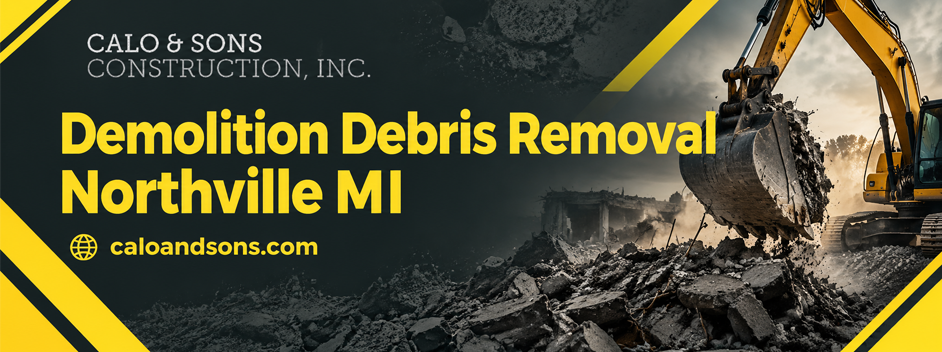
Contractors searching for Demolition Debris Removal Northville MI should confirm that the hauling provider can handle the type and volume of material involved. They should also establish whether the material is being transported to a recycling facility, an approved disposal location, or another designated receiving site.
For concrete and asphalt, recycling may offer a practical alternative to disposal when the material meets the receiving facility’s requirements. Planning the destination before hauling begins can reduce confusion and prevent rejected loads.
8. What Should Northville Contractors Ask Before Booking?
Before selecting a gravel train or tandem dump truck, gather the information needed to match the vehicle to the job.
Use this checklist when requesting a hauling quote:
- Material type and quantity: Specify whether you need sand, gravel, crushed stone, fill dirt, topsoil, or debris removed.
- Delivery or removal location: Provide the jobsite address and relevant access details.
- Estimated load requirements: Share the required tonnage or volume and the expected delivery frequency.
- Site conditions: Explain any turning restrictions, soft ground, narrow entrances, or limited unloading space.
- Project schedule: Confirm the dates, working hours, and preferred delivery windows.
- Pricing structure: Ask whether the quote is per load, hourly, or based on another arrangement.
- Material destination: For removed material, confirm the receiving facility and its acceptance requirements.
- Truck suitability: Ask the provider which configuration fits the site’s access and material requirements.
This information allows the hauling provider to assess the project more accurately and recommend a practical option.
How Calo & Sons Construction Supports Northville Hauling Projects
At Calo & Sons Construction, we provide aggregate hauling for construction projects that need materials such as sand, gravel, rock, dirt, boulders, and topsoil. Our services also include debris removal, snow hauling, and truck-with-driver rental for on-site needs. We understand that every project has different requirements, from bulk material deliveries for site preparation to removing unwanted materials after excavation or demolition. Our goal is to help contractors plan the hauling needed to keep their work moving. If you are comparing truck options for a Northville project, we can discuss your material requirements, delivery location, site conditions, and schedule to help determine an appropriate hauling arrangement. Contact our team to discuss your next construction hauling project.
Conclusion
Choosing between a gravel train and a tandem dump truck depends on your project’s material volume, jobsite access, haul distance, and schedule. Gravel trains are often suitable for high-volume material deliveries, while tandem dump trucks offer greater flexibility for smaller projects and sites with limited access.
Before booking a hauling service, estimate your material requirements, review site conditions, and compare the total cost of each option. The right hauling arrangement can help reduce unnecessary trips, limit delays, and keep your construction project on schedule.
At Calo & Sons Construction, we provide aggregate hauling for sand, gravel, crushed stone, dirt, boulders, and topsoil, along with construction debris removal and truck-with-driver rental services. Whether you are managing a large commercial site or coordinating material transport for a smaller project, we work with you to understand your hauling requirements. If you are searching for Construction Material Hauling Northville MI or comparing options alongside Concrete Contractors Near Me Northville MI, contact our team to discuss your project and arrange the hauling support you need.
Frequently Asked Questions
1. What is the main difference between a gravel train and a tandem dump truck?
A gravel train uses a dump truck with a separate pup trailer to carry more material per trip. A tandem dump truck has two rear axles and no separate trailer, making it easier to maneuver on smaller or restricted construction sites.
2. When should contractors use a gravel train for construction material hauling in Northville, MI?
Contractors should consider a gravel train when a project requires large quantities of sand, gravel, crushed stone, or fill dirt. It can reduce the number of trips needed, provided the route, jobsite access, and legal payload limits accommodate the truck combination.
3. Is a tandem dump truck better for small construction projects?
A tandem dump truck is often a practical choice for residential construction, small excavation jobs, driveway work, and sites with limited turning space. Its maneuverability can make deliveries and material removal easier when a larger truck combination cannot access the work area efficiently.
4. How do I compare costs between gravel train and tandem dump truck hauling services?
Compare the total cost of transporting the required material, not just the price per load. Consider payload capacity, number of trips, haul distance, loading and unloading time, waiting charges, and site access. Request quotes based on your project’s specific material volume and schedule.
5. How can Calo & Sons Construction help with material hauling in Northville, MI?
At Calo & Sons Construction, we provide aggregate hauling for materials such as sand, gravel, rock, dirt, boulders, and topsoil. We also offer debris removal and truck-with-driver rental services. Contact our team to discuss your project requirements and determine a suitable hauling arrangement.


